03
Multiplus
Category
Branding, Product and Communication Strategy
Client
Multiplus
Year
2012–2015
Role
Strategy Manager
Multiplus was the name of LATAM's past loyalty program. This story discusses the strategy that helped the brand become more valuable than its mother brand.

Case
Brand Strategy
Brazil does not have a culture of using loyalty programs, and Multiplus used to talk like an annoying coach teaching how to use its demanding loyalty program. It was dull, boring, and exclusive for a small group.
Firstly, we simplified the brand image by conducting thorough several research methodologies:


As a result, we developed a new Loyalty Program Dictionary that bridged the gap between technical jargon and everyday language.

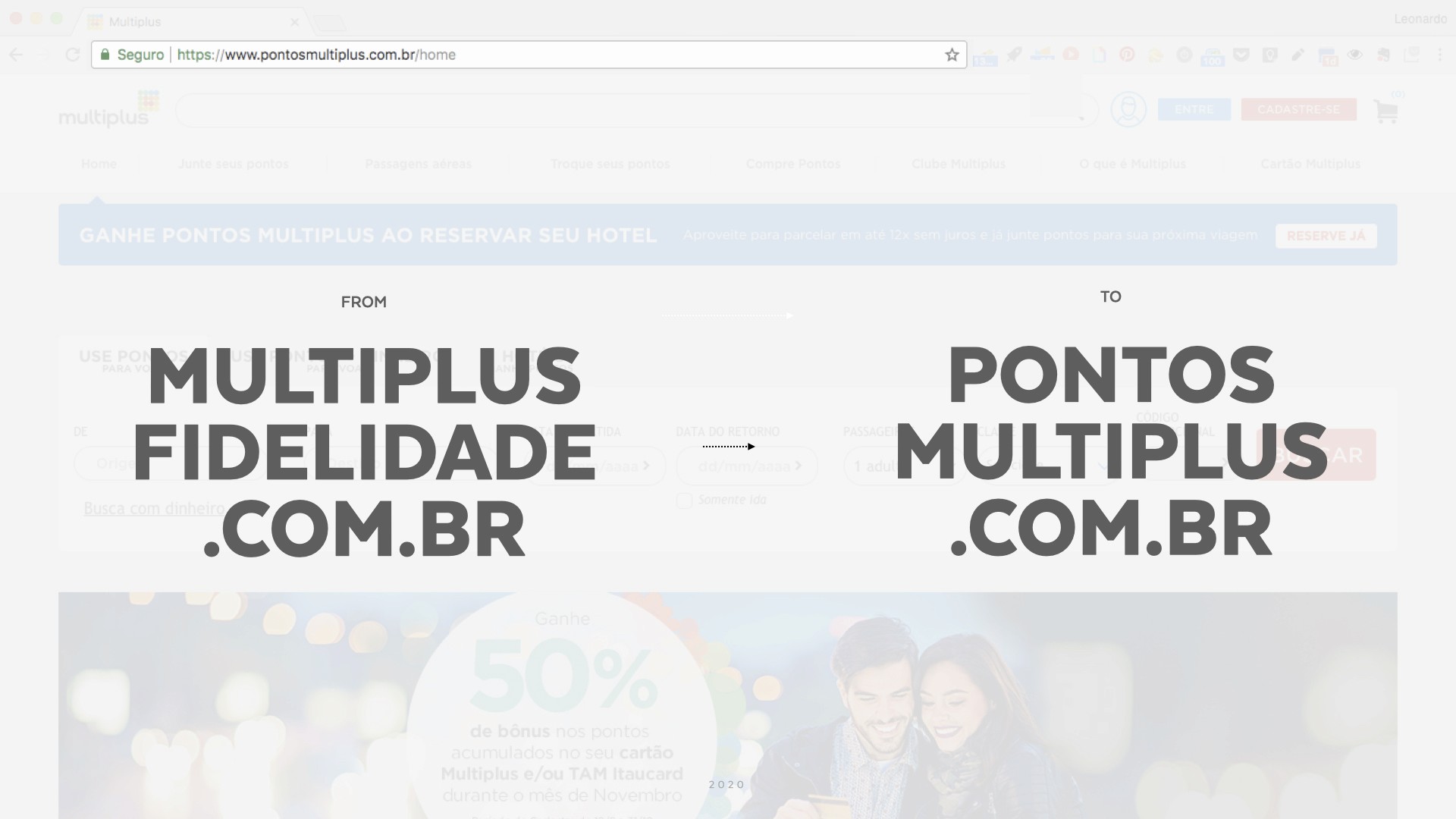
With this new brand dictionary, it became clear we needed to change the brand name. Network (rede) meant many things unrelated to a loyalty program. It sounds technically easy, but convincing the CEO and the whole board was the most challenging part.
Thus, we changed the brand's name:
Comms Strategy
With the Brand fundamentals defined, we decided to understand the relationship among different profiles (users, credit-card users, but not Multiplus members and inactive users).
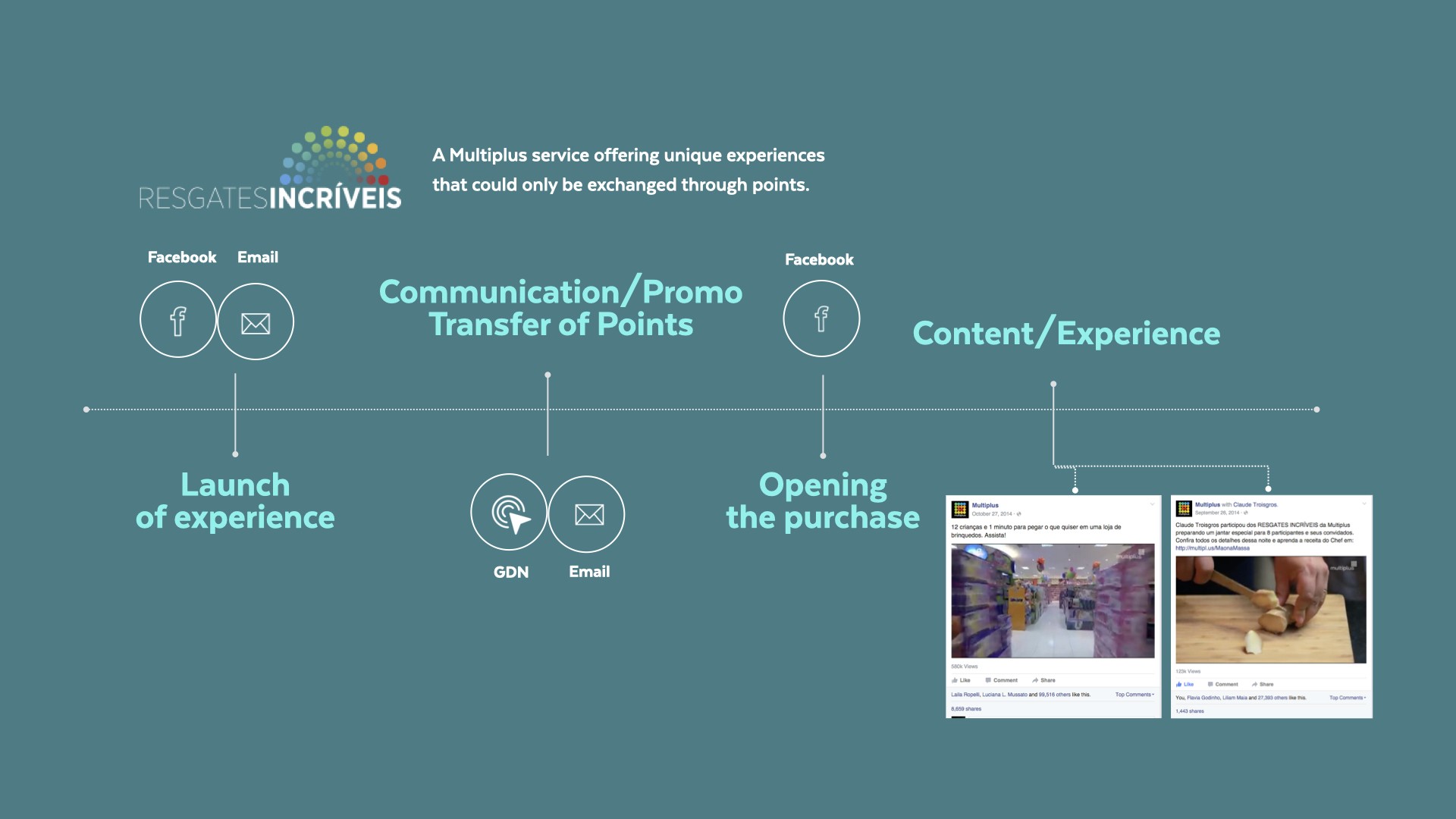
We found that users had a distant relationship with the brand, regardless of user type. They also faced different barriers that we should address to make Multiplus access easier.
We decided to start a conversation according to each profile's understanding of the service.


Results


Brand Strategy
Brazil does not have a culture of using loyalty programs, and Multiplus used to talk like an annoying coach teaching how to use its demanding loyalty program. It was dull, boring, and exclusive for a small group.
Firstly, we simplified the brand image by conducting thorough several research methodologies:
As a result, we developed a new Loyalty Program Dictionary that bridged the gap between technical jargon and everyday language.
With this new brand dictionary, it became clear we needed to change the brand name. Network (rede) meant many things unrelated to a loyalty program. It sounds technically easy, but convincing the CEO and the whole board was the most challenging part.
Thus, we changed the brand's name:
Comms Strategy
With the Brand fundamentals defined, we decided to understand the relationship among different profiles (users, credit-card users, but not Multiplus members and inactive users).
We found that users had a distant relationship with the brand, regardless of user type. They also faced different barriers that we should address to make Multiplus access easier.
We decided to start a conversation according to each profile's understanding of the service.
Results
Latest
Projects


